
Vidhya Parshuramkar is changing how rural schools approach nutrition by focusing on a grain that has been a staple in India for generations. Her bajra innovation is ensuring that thousands of students receive iron-rich, shelf-stable meals that were previously difficult to distribute. By applying modern food science to traditional pearl millet, she is bridging a significant gap in dietary access for children across the country. Her work has earned her a place on the 2026 TIME100 Next India list, marking a significant milestone in her efforts to improve nutrition security.
How the bajra innovation began
The journey started with a personal realization. While studying, Vidhya experienced iron-deficiency anaemia firsthand, which sparked a deep interest in how everyday food choices impact health. She sought to understand how accessible nutritional solutions could address deficiencies for those who need them most. This path led her to IIT Kharagpur, where she completed an MTech in Food Process Engineering between August 2022 and August 2024.
Her academic training allowed her to dive deep into cereal processing and functional foods. She identified pearl millet as a powerful tool for health, but she also saw a major hurdle. The grain has a high fat content and an enzyme called lipase that causes it to turn rancid within about 10 days. To solve this, she developed a method called Hydro-NIR technology. This process neutralizes the lipase enzyme, which extends the shelf life of the flour to six months without using any preservatives. It was a breakthrough that kept the iron content intact while making the grain easy to store, package, and transport across long distances.
Expanding the reach of the bajra innovation
Vidhya co-founded Agrozee Organics to turn her research into a reality. Through the initiative Millets Now, she connected farmers, food processors, and consumers. A key program called Nutri Dabba was launched to deliver millet-based foods directly to school lunch programs. What began as a small pilot serving 300 children in a Pune village has now grown significantly, reaching approximately four lakh children across rural India.
The impact of this bajra innovation is felt by more than just the students. Her organization partners with over 7,000 smallholder farmers, providing them with a steady market for their crops. She also works closely with women-led self-help groups, inviting rural women to participate in the food preparation and production process. This creates new opportunities for income and entrepreneurship within these communities.
Her commitment to nutrition and rural development has earned her significant recognition. In 2025, she became the youngest recipient of the fourth Rohini Nayyar Prize, and she was recently named to the 2026 TIME100 Next India list. These honors highlight the success of her approach, which blends modern science with traditional agriculture to solve real-world problems. The bajra innovation continues to evolve as she finds new ways to integrate traditional grains into modern diets. By focusing on the intersection of technology and community needs, she is demonstrating how science-backed changes can have a widespread effect on public health. While this bajra innovation supports better nutrition, she notes that tackling malnutrition also requires balanced meals, diverse food groups, and sustained public health interventions. The initiative remains focused on scaling these efforts to reach even more children.
Why it matters
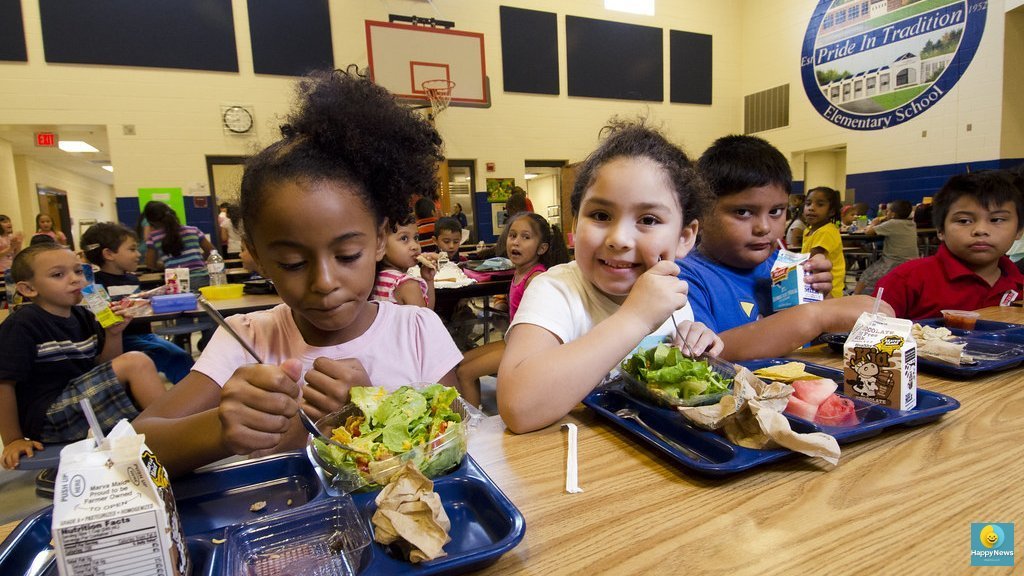
The initiative addresses the persistent challenge of providing diverse, iron-rich nutrition to millions of children in school meal programs. Iron is particularly important for children’s physical growth, brain development, and overall health.
What happens next
Vidhya Parshuramkar continues to lead Agrozee Organics and the Millets Now initiative. She aims to further integrate traditional grains into daily diets across rural India by connecting agricultural sourcing with food processing.
More good news in Science and Tech.
Sources
- India Today: Her bajra innovation reaches rural kids. Now, IIT graduate is on TIME100 Next India (indiatoday.in)
Similar Posts:
- Whole Grain Wonders: Healthy Foods for You and the Planet
 Switching to a whole grain diet not only revitalizes your health but also contributes to a healthier planet by using fewer … Read more
- Rats with Backpacks: The New Heroes Against Smuggling
 Background Imagine a world where small, agile allies are employed to curb the illegal wildlife trade. In an unconventional twist, specially … Read more
- Reasearch based top 6 tips on raising “Good Kids”
 Introduction Every parent’s dream is to raise children who are kind, responsible, and emotionally resilient. Harvard psychologists have examined what it … Read more
- Empowering Children with Dyslexia in Chennai: MDA
 Introduction In 1992, a compassionate group of parents, educators, and philanthropists came together to create the Madras Dyslexia Association (MDA). Their … Read more