
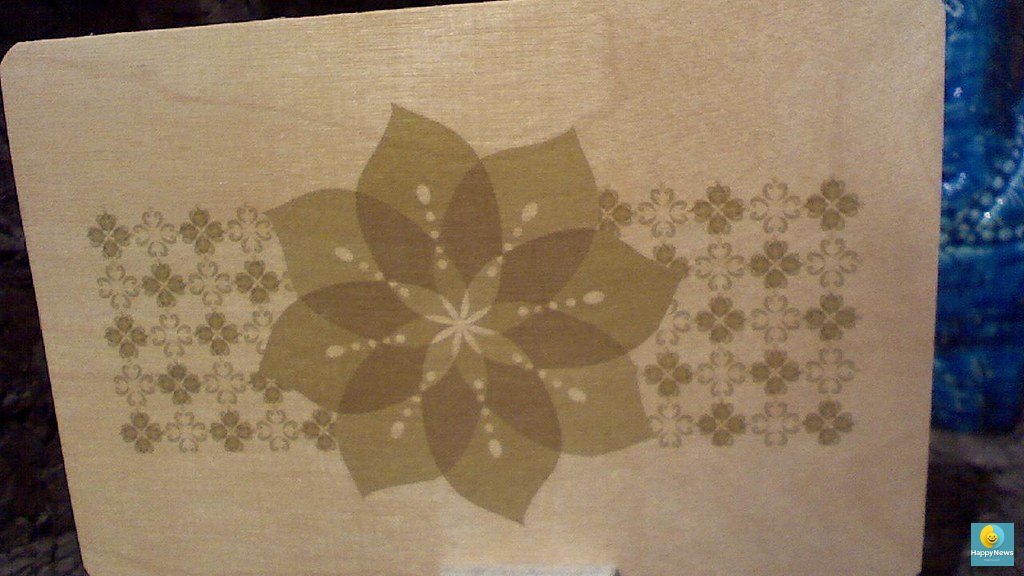
In the lush landscapes of Assam, India, a unique business venture is helping to protect one of the world’s most majestic animals. Mahesh Chandra Bora and his daughter, Nisha, have developed a creative method to produce rhino dung paper, turning waste into a valuable resource. By purchasing the dung from local communities living near national parks, they have transformed how villagers view the rhinos that occasionally wander into their fields.
The inspiration behind rhino dung paper
The idea first took root when Mahesh, a retired mining engineer, learned about similar practices in Rajasthan. He wondered if the same concept could work in Assam, which is home to approximately 2,900 greater one-horned rhinos. After experimenting with his wife’s kitchen blender to perfect the pulping process, he proved that the undigested plant fibers found in the animal’s waste could be repurposed. His daughter, Nisha, eventually left her corporate career to help launch their company, Elrhino, in 2014.
This initiative addresses a significant challenge for people living near protected areas like Kaziranga and Pobitora national parks. In these regions, rhinos and elephants can sometimes damage crops or destroy fences. By creating a market for the dung, these animals are no longer seen solely as a nuisance. Instead, the villagers now see a reliable source of income whenever a rhino passes through, which encourages them to coexist peacefully with the wildlife.
How rhino dung paper is crafted
The production process is a testament to sustainable innovation. It begins with the collection of dung from areas where these animals thrive. Once gathered, the material is thoroughly washed and boiled to extract the plant fibers. These fibers are then pulped and mixed with other sustainable materials, such as cotton waste or recycled paper, before being pressed and dried into durable sheets.
- Collection of dung from local communities
- Washing and boiling to recover fibers
- Pulping and mixing with recycled materials
- Pressing into high-quality stationery
The resulting range of products includes journals, notebooks, lampshades, and bags. Each item serves as a reminder that wildlife conservation can be achieved through practical, community-focused solutions. By turning a simple waste product into a beautiful commodity, this family-run business provides a powerful example of how environmental stewardship can support both the planet and the people who live alongside its most vulnerable creatures.
Editor’s note: This shows sustainable living and impact of symbiotic-economic outcome on saving endangered species.
More good news in Planet.
Sources
- Good News Network: Rhino Dung Paper Is How This Family Makes Money and Protects These Amazing Animals (goodnewsnetwork.org)
Similar Posts:
- Whole Grain Wonders: Healthy Foods for You and the Planet
 Switching to a whole grain diet not only revitalizes your health but also contributes to a healthier planet by using fewer … Read more
- Rats with Backpacks: The New Heroes Against Smuggling
 Background Imagine a world where small, agile allies are employed to curb the illegal wildlife trade. In an unconventional twist, specially … Read more
- Reasearch based top 6 tips on raising “Good Kids”
 Introduction Every parent’s dream is to raise children who are kind, responsible, and emotionally resilient. Harvard psychologists have examined what it … Read more
- Empowering Children with Dyslexia in Chennai: MDA
 Introduction In 1992, a compassionate group of parents, educators, and philanthropists came together to create the Madras Dyslexia Association (MDA). Their … Read more